20 Tools That Will Make You More Effective At Exercise Bike by Lasonya
0 Курс зачислен • 0 Курс завершенБиография
The Ultimate Guide to Finding and Choosing the Right Exercise Bike for Your Home
In an era where benefit is king and keeping a healthy way of life is a top priority, home exercise equipment fitness equipment has seen an enormous rise in appeal. Amongst the different cardio devices available, the exercise bike stays an ageless favorite. It uses a low-impact, high-efficiency workout that is mild on the joints while loading a severe punch in regards to calorie burn and cardiovascular health.
Nevertheless, with many designs, brand names, and technological features flooding the marketplace, the search for the ideal exercise bike can feel overwhelming. Whether somebody is an experienced bicyclist aiming to keep Leg Exercise Machine power throughout the off-season or a beginner attempting to start a weight-loss journey, finding the right fit needs cautious factor to consider.
This guide checks out everything a purchaser needs to understand when looking for exercise bikes, breaking down the types, crucial functions, and how to choose the very best one for specific fitness objectives.
Understanding the Main Types of Exercise Bikes
Before diving into particular brands or prices tiers, it is necessary to understand the 3 primary classifications of stationary cycle for exercise bicycle. Each type serves a different function, accommodates various body types, and uses a distinct riding posture.
1. Upright Bikes
Upright bikes closely simulate the feel of a conventional outdoor roadway bicycle. The user sits upright, and the pedals are positioned directly below the body.
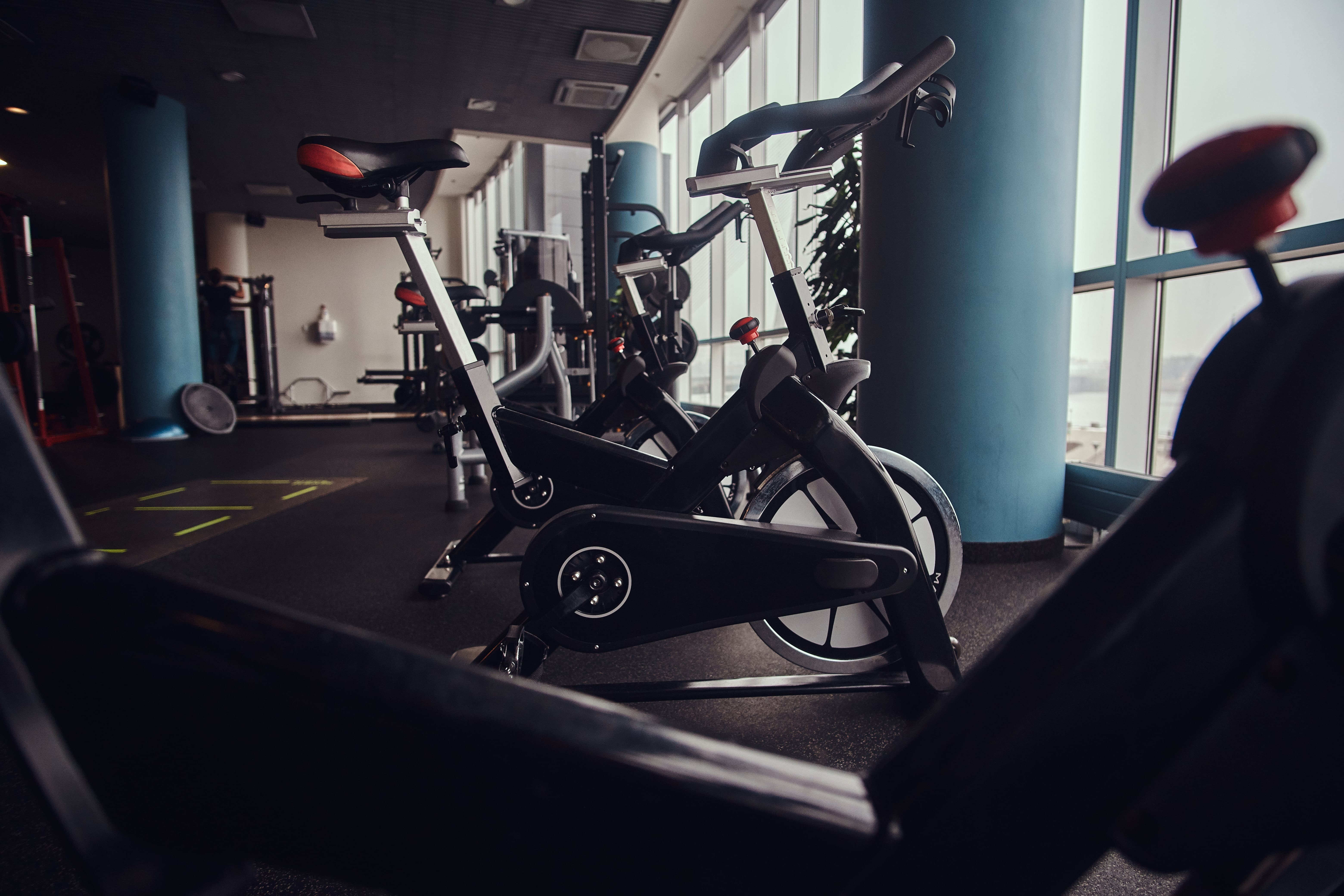
- Best for: General fitness, indoor cycling classes, and users who desire a conventional bicycle feel.
- Pros: Compact footprint, engages the core more due to the absence of back support, and permits both seated and standing pedaling.
- Cons: Can trigger lower back or seat discomfort throughout long sessions for beginners.
2. Recumbent Bikes
Recumbent bikes include an easygoing, bucket-style seat with a backrest. The pedals are placed out in front of the user rather than beneath.
- Best for: Individuals with lower neck and back pain, elders, or those recovering from injuries.
- Pros: Excellent back support, extremely comfy, and decreases pressure on the joints and glutes.
- Cons: Takes up more flooring space than upright designs and typically does not permit out-of-the-saddle climbing up simulations.
3. Indoor Studio Cycles (Spin Bikes)
Studio cycles are constructed to duplicate high-intensity roadway cycling or boutique spin classes. They include heavy flywheel systems, adjustable handlebars, and durable frames designed for aggressive riding.
- Best for: High-intensity interval training (HIIT), major bicyclists, and fans of virtual biking apps like Peloton or Zwift.
- Pros: Extremely resilient, extremely adjustable fit, and smooth pedaling momentum.
- Cons: Often requires biking shoes (clipless pedals), and the racing saddles can be tough on unconditioned riders.
Secret Features to Look For
When searching for a stationary bicycle, buyers should look beyond the visual appeal and take a look at the technical specs. The list below aspects determine the quality and longevity of the maker:
- Resistance System: Magnetic resistance is widely thought about the gold standard since it is virtually silent, provides smooth transitions, and needs almost no maintenance. Friction resistance (utilizing felt pads) is less expensive however breaks with time.
- Flywheel Weight: Generally, much heavier flywheels (particularly on spin bikes) provide a smoother, more natural momentum. A flywheel weighing in between 15 to 30 pounds is usually enough for many home users.
- Adjustability: A bike should adapt to fit the user's body, not the other method around. Try to find seats that move both vertically and horizontally, and handlebars with multi-position modifications.
- Console and Connectivity: Modern bikes vary from simple LCD screens showing fundamental metrics (time, speed, distance, calories) to enormous HD touchscreens with integrated streaming memberships for live and on-demand classes.
- Weight Capacity: Always inspect the maximum user weight limit to ensure stability and safety during energetic workouts.
Contrast of Exercise Bike Types
To assist sum up the distinctions, here is a fast comparison table detailing which bike fits particular requirements:
| Bike Type | Primary Focus | Best Suited For | Footprint Size | Joint Impact | ||
|---|---|---|---|---|---|---|
| Upright | Cardiovascular & & Core General physical fitness enthusiasts Compact Low to Moderate Recumbent Convenience & Rehabilitation Seniors, back | pain victims Big Really Low Studio | cycle exercise home HIIT | & Endurance Spin enthusiasts | , advanced riders Medium Low Step-by-Step Buying Guide Finding | the best |
design includes assessing personal needs, space restraints, and financial parameters. Buyers need to follow these key steps: Assess Available
| Space: |
Measure the designated workout area
| before shopping. Bear in mind that recumbent bikes have a longer profile, while upright and studio bikes take up less floor area. Determine the Budget:
, and select a model that inspires motion day after day. https://stepuptolearning.com/profile/stationary-cycle-for-exercise0038/ |
- hydrated throughout long, sweat-inducing sessions. Looking for exercise bikes does not need to be a difficult undertaking. By comprehending the distinct benefits of upright, recumbent, and studio designs, and by thoroughly assessing functions like resistance mechanisms, console tech, and build quality, purchasers can find a device that aligns completely with their way of life. Investing in a stationary cycle for exercise bicycle is an investment in long-lasting health, using a reputable, weather-proof method to remain active from the convenience of home. Make the effort to evaluate personal fitness goals, determine the readily available area